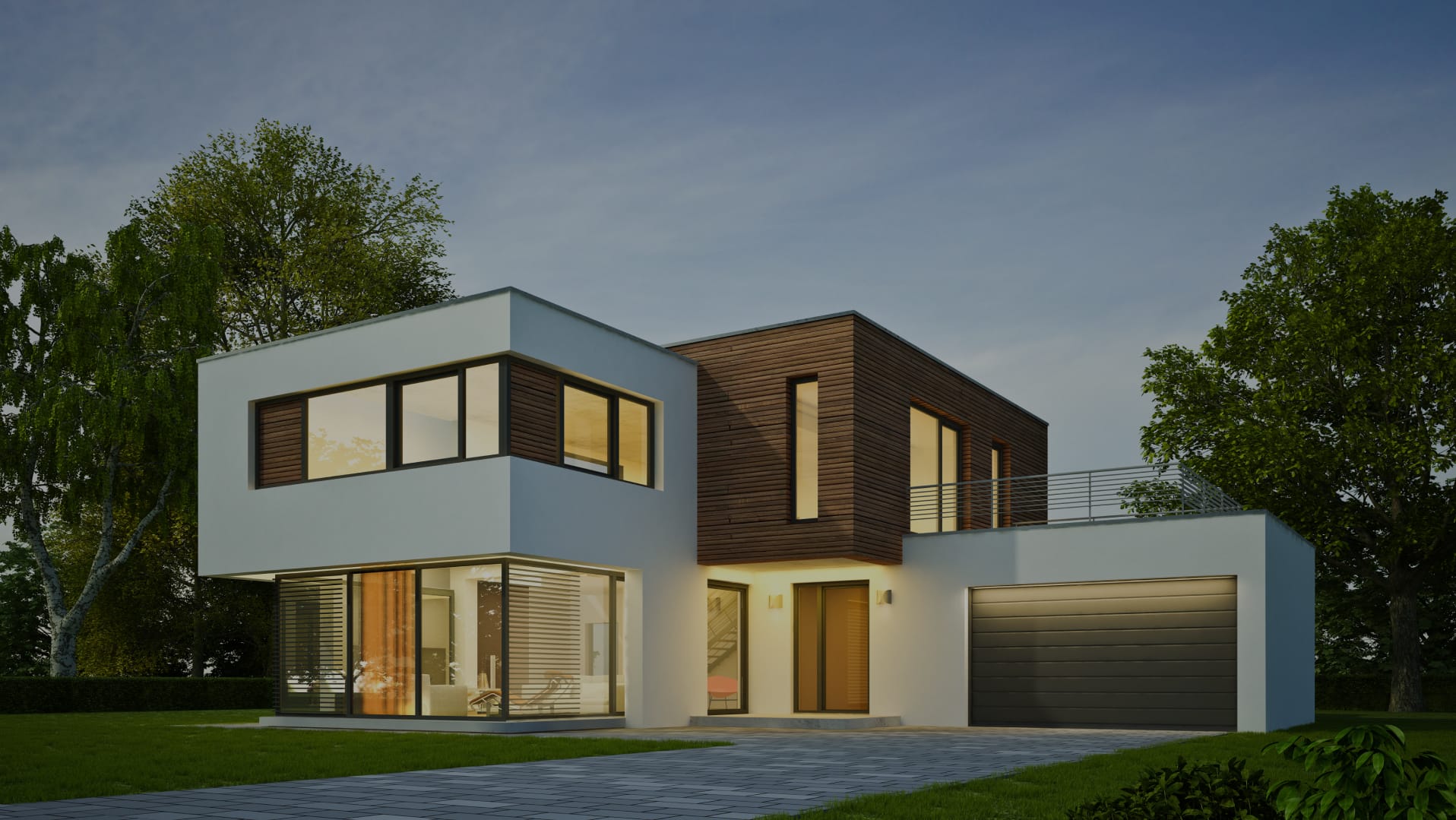
As we look ahead to 2025, the world of interior and architectural design is evolving to reflect a deeper connection between technology, sustainability, and personal wellbeing. Let’s explore the key trends shaping our living spaces in the coming year.
Smart Integration Meets Subtle Luxury
The concept of smart homes is moving beyond mere convenience. 2025 sees the seamless integration of technology into our living spaces, with voice-activated systems and automated controls becoming more sophisticated yet visually unobtrusive. Think hidden charging stations, smart mirrors that double as information displays, and lighting systems that adapt to your circadian rhythm.
The Rise of “Quiet Luxury”
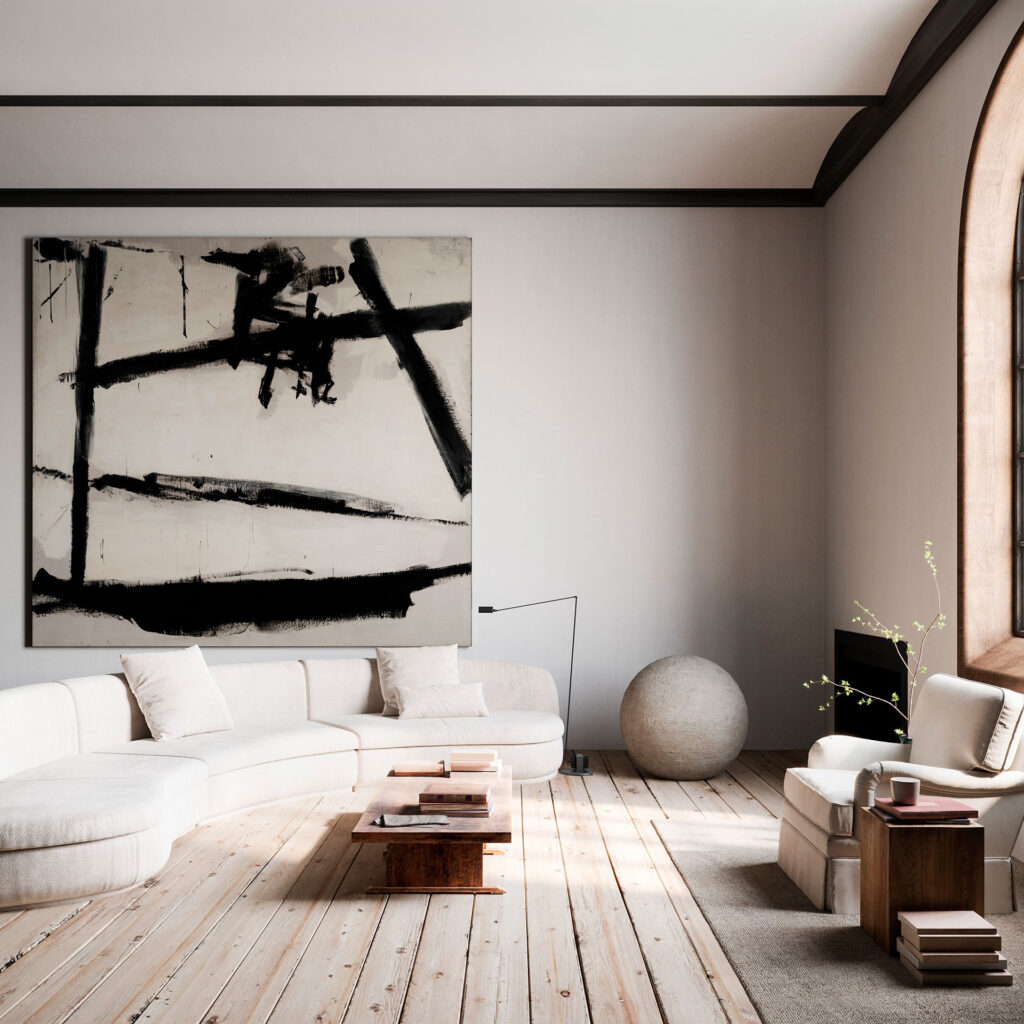
Moving away from ostentatious displays, 2025 embraces what designers call “quiet luxury” – a focus on quality materials, craftsmanship, and timeless design rather than obvious opulence. This trend emphasizes clean lines, natural materials, and understated elegance, bringing hotel-like amenities into residential spaces without the flashiness.
Sustainability at the Core
Sustainability isn’t just a buzzword anymore – it’s becoming the foundation of modern design. Key features include:
- Circular design principles using recycled and upcycled materials
- Net-zero energy solutions through passive solar design
- Biophilic elements that connect indoor spaces with nature
- Green roofs and living walls that improve air quality and reduce energy consumption
Color Trends: Embracing Warmth
PANTONE’s Color of the Year, Peach Fuzz, sets the tone for 2025’s color palette. We’re seeing a shift from stark minimalism to warmer, more inviting spaces. Layered color schemes combining soft, natural tones create depth and character in living spaces, moving away from the monochromatic rooms of recent years.
Adaptive Spaces for Modern Living
The pandemic’s lasting impact continues to influence design, with flexible spaces becoming increasingly important. 2025 sees:
- Multi-functional rooms that can transform from workspaces to entertainment areas
- Wellness-focused spaces for meditation and exercise
- Enhanced outdoor living areas that function as extensions of indoor spaces
- Reconsidered layouts moving away from open-plan towards more defined, purposeful spaces
Material Innovation
Natural and tactile materials take center stage in 2025:
- Graphic natural stones and marbles with bold patterns
- Mixed metals with warm, burnished finishes
- Rustic textures in wood and ceramics
- Sustainable materials with innovative applications
European Influences
We’re seeing a resurgence of European design elements, particularly from Italian influence. This includes:
- Intricate marble details
- Elegant plasterwork and ceiling medallions
- Contemporary interpretations of classical design elements
- Sophisticated tapestries and textiles

Personal Expression Over Trends
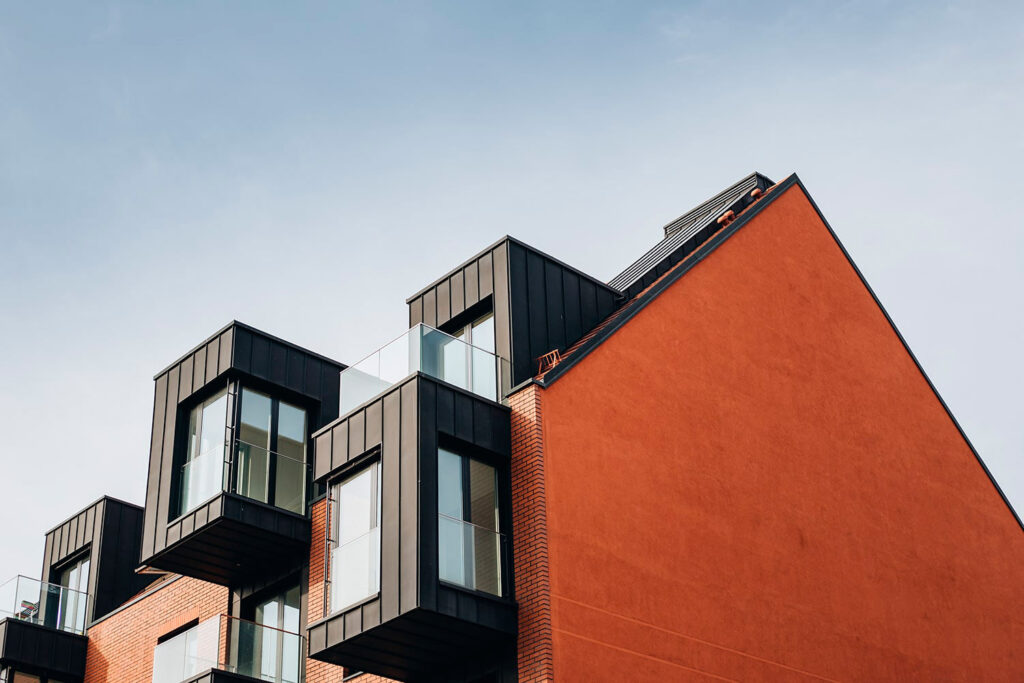
Perhaps the most significant trend of 2025 is the move away from cookie-cutter design. Homeowners are increasingly seeking spaces that reflect their individual style and needs rather than following rigid design rules. This includes:
- Integration of personal collections and artisanal pieces
- Custom-designed elements that tell personal stories
- Eclectic mixing of styles and periods
- Spaces that prioritize functionality for specific lifestyle needs
Climate-Responsive Design
With climate change at the forefront of global consciousness, 2025 sees a stronger emphasis on resilient design:
- Advanced passive cooling and heating systems
- Strategic window placement for natural ventilation
- Climate-appropriate material selection
- Water-efficient landscaping integrated with architecture
Looking Ahead
As we move through 2025, these trends reflect a broader shift towards more thoughtful, sustainable, and personalized living spaces. The focus is no longer just on how spaces look, but on how they make us feel and how they impact our environment. Whether you’re planning a renovation or building a new home, consider how these trends align with your personal needs and values.
Remember, while trends come and go, the best designs are those that create harmony between aesthetics, functionality, and sustainability – creating spaces that will stand the test of time while meeting the challenges of tomorrow.
What design elements are you most excited to incorporate into your space in 2025? The possibilities are endless, and the future of design looks brighter – and more sustainable – than ever.