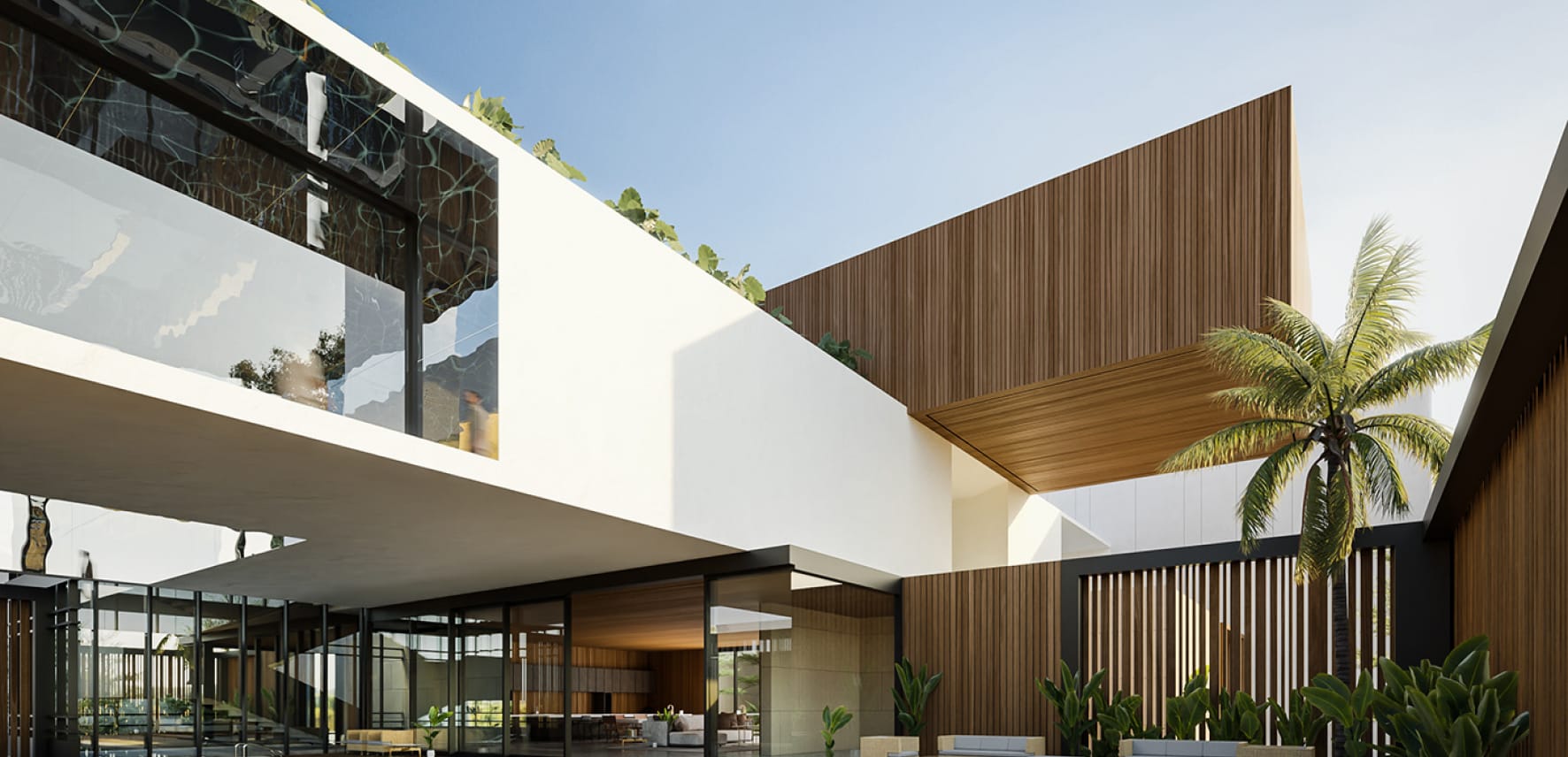
In today’s world of rising energy costs and growing environmental awareness, building an energy-efficient home isn’t just good for the planet – it’s great for your wallet too. Let’s explore the key strategies that can help create a more sustainable and cost-effective home.
Smart Construction Choices
The Foundation of Efficiency
Start with the basics: your building materials. High-density materials like brick, concrete, and stone aren’t just durable – they’re thermal powerhouses. These materials:
- Absorb and store heat effectively
- Stabilize indoor temperatures naturally
- Reduce the need for artificial heating and cooling
- Create a more comfortable living environment
- Lead to significant reductions in energy bills
Windows That Work Harder
Double glazing is a game-changer for energy efficiency. Consider these facts:
- Up to 40% of a home’s heat can escape through windows
- Up to 85% of unwanted heat enters through windows
- Double glazing can slash power bills by more than 20%
- Provides better insulation against outside noise
- Increases your home’s overall value
Smart Lighting Solutions
Natural Light Maximization
Strategically placed skylights and windows can dramatically reduce your reliance on artificial lighting. Key considerations include:
- Position skylights to avoid excessive summer heat gain
- Use light wells for internal spaces
- Consider north-facing windows for optimal natural light
- Install light-reflecting surfaces to maximize brightness
LED Technology
Make the switch to LED lighting throughout your home:
- Uses significantly less energy than traditional bulbs
- Provides excellent light output
- Lasts considerably longer
- Contains no harmful mercury
- Offers versatile lighting options
Ventilation and Temperature Control
Cross-Ventilation
Smart window placement can create natural cooling pathways:
- Allows cool breezes to flush out warm air
- Reduces air conditioning dependency
- Improves indoor air quality
- Creates a more comfortable living environment
- Takes just two minutes to exchange air in a room with proper placement
Solar Passive Design
Work with nature, not against it:
- Position living areas to maximize winter sun
- Use eaves to block summer heat
- Install appropriate insulation
- Choose energy-efficient window treatments
- Consider thermal mass principles in material selection
Energy-Smart Appliances
Making Wise Choices
Appliances account for about 25% of home energy use. When selecting appliances:
- Look for high energy star ratings
- Consider long-term running costs
- Factor in water efficiency for relevant appliances
- Think about size and capacity needs
- Calculate the return on investment for more efficient models
Renewable Energy Solutions
Solar Power Investment
Solar panels represent one of the most effective ways to reduce energy costs:
- Power all household energy needs
- Reduce or eliminate electricity bills
- Provide renewable, clean energy
- Increase property value
- Offer long-term cost benefits
The Financial Benefits
Long-Term Savings
While energy-efficient features might cost more upfront, consider the returns:
- Reduced monthly utility bills
- Lower maintenance costs
- Increased property value
- Potential government incentives
- Better resale prospects
Implementation Tips
Starting Your Journey
Begin with these practical steps:
- Conduct an energy audit of your current or planned home
- Identify key areas for improvement
- Prioritize changes based on impact and budget
- Consider professional advice for major modifications
- Track your energy usage and savings
Looking to the Future
Energy-efficient homes aren’t just about current savings – they’re an investment in the future. Benefits include:
- Protection against rising energy costs
- Reduced environmental impact
- Improved comfort and livability
- Better adaptation to climate change
- Enhanced property value
Making the Right Choice
Creating an energy-efficient home requires careful planning and sometimes higher initial investment, but the long-term benefits far outweigh the costs. Not only will you enjoy lower utility bills and a more comfortable living environment, but you’ll also be contributing to a more sustainable future.
Remember, every energy-efficient feature you incorporate into your home is a step toward both environmental responsibility and financial savings. Whether you’re building new or renovating, these considerations should be at the forefront of your planning process.