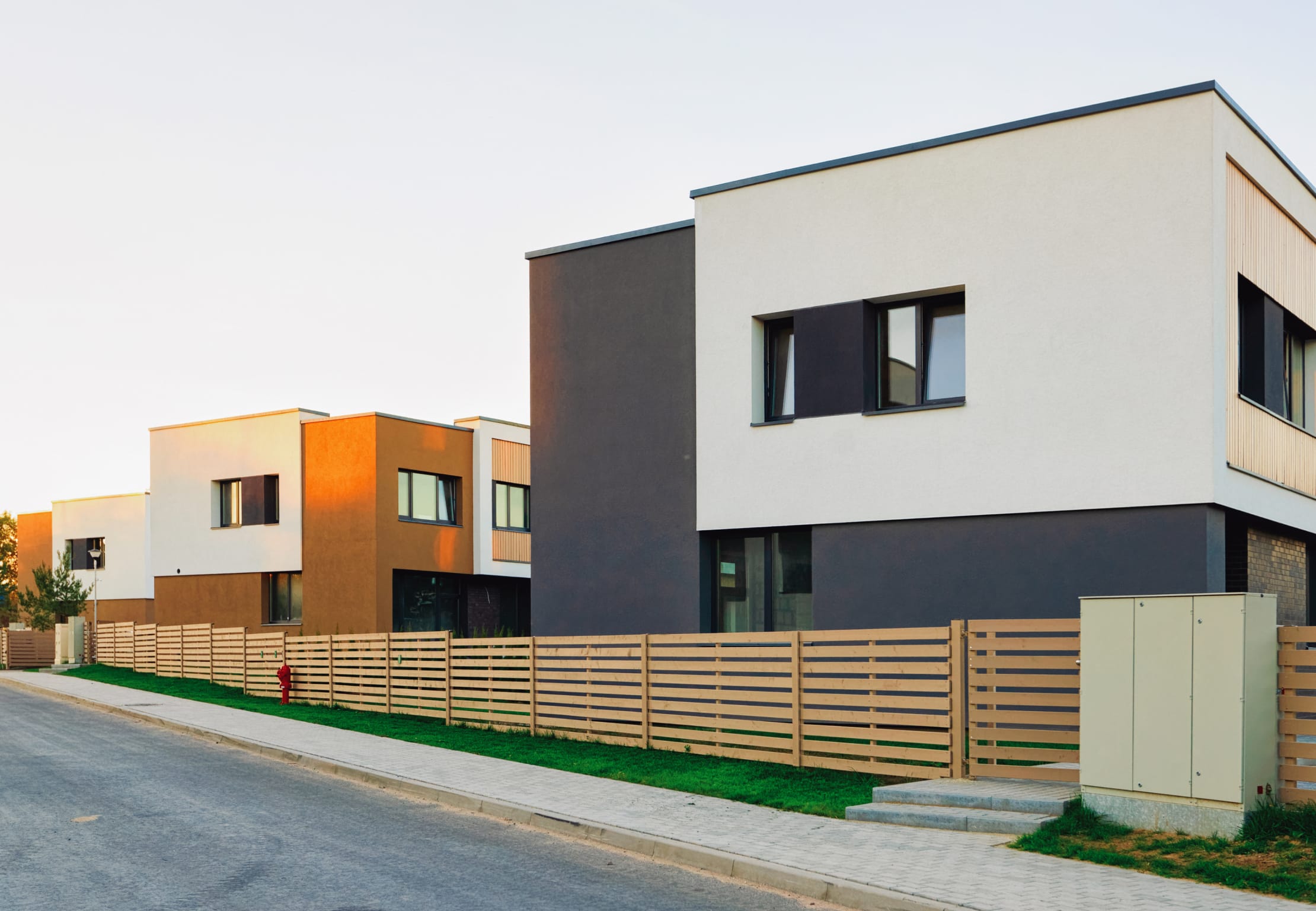
In Melbourne’s unique climate, the orientation of your home can significantly impact everything from your energy bills to your daily comfort. Let’s explore why orientation matters and how to make the most of your block’s position.
Why North-Facing is King in Melbourne
Melbourne’s distinct weather patterns make north-facing homes particularly desirable. Here’s why:
- Maximizes natural sunlight throughout the day
- Provides passive heating during cool winters
- Offers better temperature control year-round
- Reduces reliance on artificial heating and cooling
- Creates brighter, more inviting living spaces
Strategic Room Placement
The ideal room layout for a Melbourne home should consider the sun’s path:
North-Facing Areas (Optimal)
- Living rooms
- Family areas
- Kitchen spaces
- Main outdoor entertainment areas These spaces benefit from maximum natural light and warmth during winter months.
East-Facing Areas
- Bedrooms
- Breakfast nooks
- Morning activity spaces Perfect for early risers who enjoy morning sunlight but want to avoid afternoon heat.
South-Facing Areas
- Bathrooms
- Laundry rooms
- Storage spaces
- Garages These rooms require less natural light and help maintain consistent temperatures.
West-Facing Areas
- Secondary living spaces
- Studies
- Transition zones Consider additional shading options for these areas to manage afternoon heat.
Climate Considerations for Melbourne
Melbourne’s weather presents unique challenges:
- Cold winters requiring effective heating
- Hot summers needing efficient cooling
- Unpredictable weather patterns
- Strong seasonal temperature variations
A well-oriented home helps manage these challenges naturally, reducing your reliance on artificial climate control.
Making the Most of Your Block
Not every block allows for perfect north-facing orientation. Here’s how to optimize any position:
For East-West Blocks
- Position living areas to the north side
- Use clever window placement
- Install appropriate eaves for summer shade
- Consider light courts or skylights for additional natural light
For South-Facing Blocks
- Maximize northern light through clever floor planning
- Use high windows and skylights
- Consider split-level designs to capture northern sun
- Implement energy-efficient glazing
Design Elements for Optimal Orientation
Regardless of your block’s orientation, these design features can help:
- Strategic window placement
- Appropriate eave overhangs
- Double glazing for temperature control
- Light wells and skylights
- Cross-ventilation opportunities
Energy Efficiency Benefits
Proper orientation can lead to significant savings:
- Reduced heating costs in winter
- Lower cooling needs in summer
- Less reliance on artificial lighting
- Improved overall energy efficiency
- Potentially higher resale value
Seasonal Considerations
Melbourne’s seasons greatly impact home orientation strategy:
Winter Benefits
- Low-angle northern sun provides natural heating
- Reduced need for artificial heating
- Brighter living spaces during shorter days
Summer Advantages
- Easier to shade north-facing windows
- Better control of heat gain
- Natural light without excessive heat
Professional Guidance
While understanding orientation principles is valuable, working with professionals ensures optimal results:
- Engage architects familiar with Melbourne’s climate
- Consult with builders early in the design process
- Consider energy rating assessors’ input
- Seek local council guidelines and requirements
Looking to the Future
With rising energy costs and increasing focus on sustainability, proper home orientation is more important than ever. Consider:
- Long-term energy savings
- Environmental impact
- Future resale value
- Ongoing comfort levels
- Adaptability to climate change
The Bottom Line
While perfect north-facing orientation might not always be possible, understanding these principles helps you make informed decisions about your new Melbourne home. The right orientation combined with thoughtful design can create a comfortable, energy-efficient living space that works with nature, not against it.
Remember, investing time in planning your home’s orientation during the design phase can lead to years of benefits in comfort, energy savings, and lifestyle enjoyment. It’s one of the most important decisions you’ll make in your building journey, and getting it right from the start is crucial for long-term satisfaction with your new home.